
Health Care- In an era where health care is rapidly evolving, personalized health care has emerged as the gold standard for achieving optimal well-being. Instead of treating the one-size-fits-all approach to medicine, personalized health care focuses on the unique needs of each individual, tailoring treatment plans and lifestyle recommendations based on personal factors such as genetics, lifestyle, and personal goals.
The shift towards personalized health care is a direct response to the growing need for more effective, customized solutions. This guide will break down the 12 essential steps to building a personalized health care plan, helping you embrace a proactive, individualized approach to health and well-being.
1. Understand Your Health History

Understanding your health history is a cornerstone of personalized health care. It provides valuable insight into the conditions that may affect your well-being, helps in identifying risks, and aids in crafting more effective prevention and treatment plans. While genetics play a critical role in your overall health, family history and personal medical experiences contribute significantly to shaping the course of your health journey. The process of understanding your health history requires a detailed and proactive approach, encompassing both genetic predispositions and environmental factors. By understanding your health history, you empower yourself to make informed decisions, improve communication with healthcare professionals, and take proactive steps to safeguard your future health.
The Importance of Health History
Health history refers to the detailed record of your past and present health conditions, including chronic diseases, allergies, surgeries, medications, vaccinations, and lifestyle choices. This information helps identify patterns that may indicate future health risks and can guide doctors in diagnosing and treating conditions with a higher degree of precision. Understanding your health history allows you to anticipate potential health challenges before they arise, reducing the chances of surprise medical events.
Genetic Influence
Genetics have a profound influence on your health. Family history can reveal hereditary conditions that run through generations, such as heart disease, diabetes, certain cancers, and autoimmune disorders. Having a clear understanding of these genetic risks allows you to take steps early on—whether through lifestyle modifications, screenings, or preventive measures—to manage and potentially delay the onset of these conditions.
For instance, if your family has a history of breast cancer, you may want to begin routine screenings earlier or explore genetic testing to identify mutations such as BRCA1 and BRCA2. Early identification is key, as it opens up the possibility for early intervention and reduces the likelihood of severe complications.
Chronic Diseases and Long-Term Health Conditions
By understanding the prevalence of chronic diseases in your family or within your own history, you gain insight into your risk of developing these conditions. Chronic illnesses like hypertension, asthma, and diabetes are often inherited or have a familial tendency. Acknowledging this history helps you become proactive, whether it’s adopting a healthier diet, exercising more regularly, or undergoing regular health checks.
Chronic conditions also often intertwine with one another. For example, someone with a family history of diabetes may be at an increased risk for heart disease. This connection between health conditions underscores the importance of understanding your health history to build a comprehensive approach to prevention.
How to Gather Your Health History
To truly understand your health history, you need to collect information from a variety of sources. The process requires a combination of gathering personal medical records, consulting with family members, and taking stock of lifestyle habits that can influence health outcomes.
Personal Medical Records
Start by reviewing your own health history. Gather all available medical records, including past diagnoses, hospital visits, medications, surgeries, and vaccinations. If you have chronic conditions, note the timeline and progression of those conditions. These records provide insight into your current health status and help healthcare providers make informed decisions about your treatment plan.
If you’ve had a significant illness or underwent surgery in the past, document the details. What was the condition? What treatments were administered? How did your body respond? Even seemingly minor health issues, such as frequent colds or digestive troubles, may be relevant to your overall health picture.
Family Health History
Your family’s health history is an essential component of understanding your own health. You may not always be aware of the details of your family’s health, but a conversation with relatives can uncover invaluable information. Ask your parents, siblings, grandparents, and even cousins about their health conditions. Make sure to inquire about any chronic conditions, cancers, mental health issues, or early deaths that occurred within the family.
Even conditions that may not be directly related to your health—such as a family history of high cholesterol or autoimmune diseases—can shed light on risks that may affect you. The more detailed the information, the better equipped you’ll be to recognize potential patterns and risks.
Lifestyle Factors
Your personal lifestyle choices play an integral role in determining your long-term health. Diet, exercise, sleep, and stress levels all contribute significantly to your health outcomes. Tracking these aspects of your life provides further clarity when understanding your health history.
For example, if your family has a history of heart disease, but you maintain a healthy diet, exercise regularly, and avoid smoking, you may have reduced your risk. Conversely, an unhealthy lifestyle can exacerbate existing genetic risks, making it essential to monitor both family history and personal habits.
How to Use Your Health History to Improve Your Well-Being
Understanding your health history is not a passive process—it’s an active tool for improving your health. When you know your risks, you can take proactive steps to mitigate them. Below are several strategies for using your health history to your advantage:
1. Preventive Care and Early Detection
Knowledge of your health history enables you to participate in preventive care practices. Early detection of conditions can drastically improve outcomes. For example, if heart disease runs in your family, regular blood pressure checks, cholesterol screenings, and stress management techniques can reduce the likelihood of developing the condition.
Family history is also a valuable guide for when to start certain screenings. For example, individuals with a history of colon cancer may begin screenings earlier than the general population. These preventive measures are critical for staying ahead of potential health problems.
2. Informed Decision-Making
With a comprehensive understanding of your health history, you are better equipped to make informed decisions about your health. You can work with your healthcare provider to create a customized plan that addresses your specific needs. For instance, if your family has a history of high blood pressure, you may decide to monitor your blood pressure regularly, eat a low-sodium diet, and engage in cardiovascular exercise.
Informed decision-making also applies to lifestyle choices. If you know that certain foods or activities are risky for you, you can actively choose healthier alternatives. Knowledge empowers you to make decisions that are in your best interest.
3. Targeted Lifestyle Adjustments
Understanding your health history allows you to make more targeted adjustments to your lifestyle. For example, if you have a genetic predisposition to osteoporosis, you can increase your intake of calcium and vitamin D, engage in weight-bearing exercises, and monitor bone density with regular tests.
On the other hand, if you have a family history of mental health disorders like depression or anxiety, you might prioritize mental wellness by incorporating stress management techniques such as mindfulness, yoga, or counseling. These targeted changes can help reduce your chances of experiencing similar issues.
4. Communication with Healthcare Providers
Understanding your health history allows for more meaningful and productive discussions with your healthcare providers. When you’re well-informed about your risks, you can better communicate your concerns, ask relevant questions, and explore options for personalized care. Your doctor can provide you with resources, preventive strategies, and recommendations specific to your situation.
It’s essential to update your healthcare providers regularly about any changes in your health history, whether it’s new diagnoses, changes in medications, or shifts in lifestyle. Effective communication with your healthcare provider creates a collaborative relationship focused on optimizing your well-being.
Understanding your health history is one of the most powerful steps you can take in managing your long-term health. It equips you with the information necessary to identify potential risks, make informed decisions, and take proactive steps to improve your well-being. By gathering detailed records, discussing your family’s health history, and considering lifestyle factors, you can unlock a wealth of knowledge that leads to healthier living. Use this information to collaborate with healthcare providers, prevent future health issues, and ensure that your care is personalized to your unique needs.
As you take charge of your health, remember that understanding your health history is not just about knowing what’s behind you but using that knowledge to shape a healthier future. It’s an empowering and essential part of your ongoing journey to optimal health.
2. Comprehensive Health Assessment

A personalized health plan requires a thorough health assessment. This step involves gathering critical data on your current physical and mental health. It’s vital to have regular check-ups that measure key health markers such as blood pressure, cholesterol levels, blood sugar, and other biomarkers that can reveal underlying conditions. The goal is to create a baseline from which you can measure progress.
These assessments will guide your health care provider in making informed recommendations. For example, if you’re dealing with high cholesterol, your doctor may suggest changes in diet or medication. If you’re at risk for a certain condition, early intervention could significantly impact the outcome. A full health evaluation allows for proactive rather than reactive care, which is the essence of personalized health care.
3. Set Clear, Achievable Health Goals
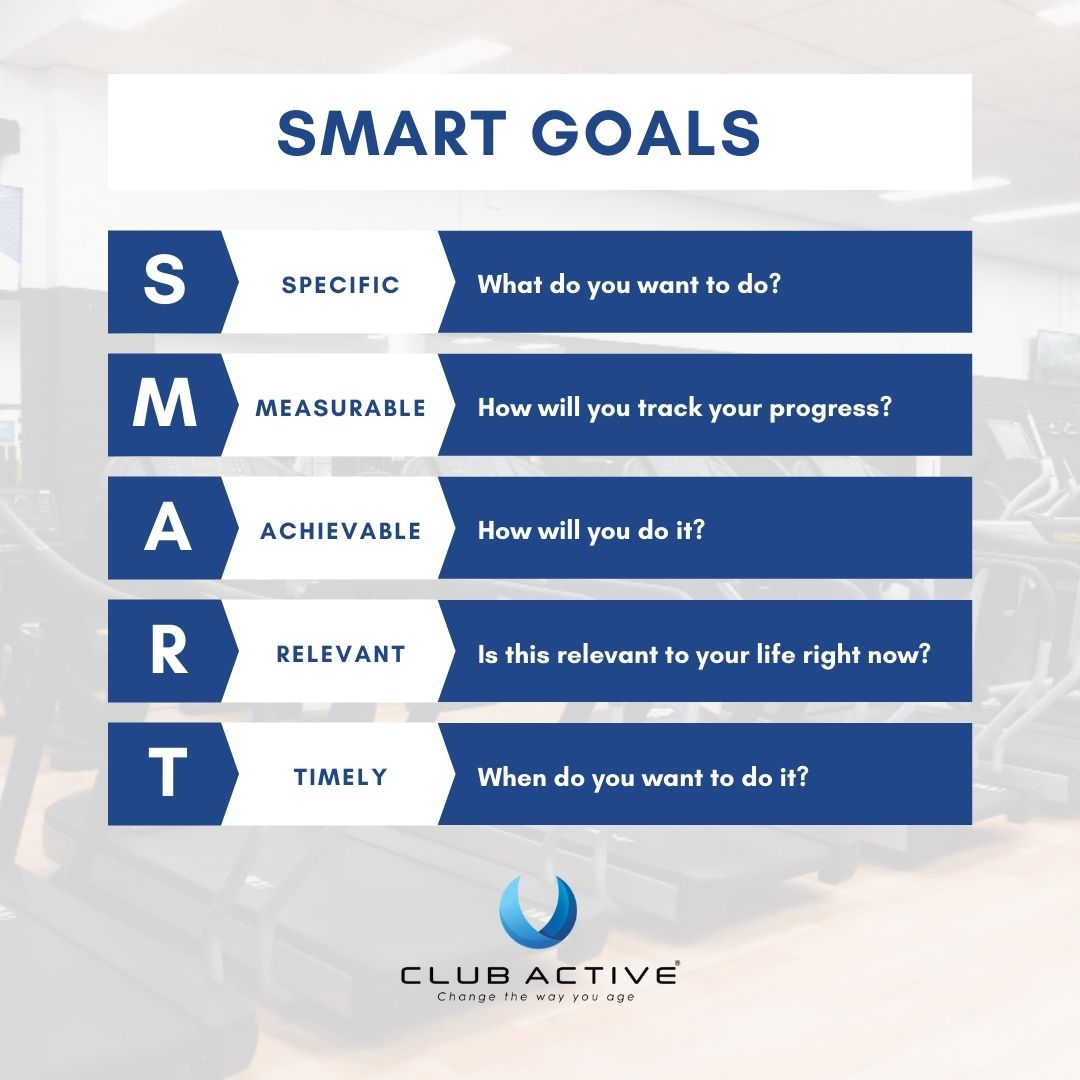
Once you have a clear understanding of your health status, the next step is to set goals. These should not only be ambitious but also achievable. Whether it’s to improve heart health, manage weight, or reduce stress, goals give structure to your journey toward better health.
Using the SMART method (Specific, Measurable, Achievable, Relevant, Time-bound) to set health goals ensures that they are practical and aligned with your unique needs. Instead of vague aspirations, such as “get fit,” a SMART goal might look like “lose 5 pounds in the next two months by walking for 30 minutes five days a week.” This level of specificity makes it easier to track progress and stay motivated.
Incorporating short- and long-term goals is also key. Short-term goals will provide you with quick wins, while long-term goals offer a roadmap to sustained health. By breaking down larger objectives into manageable steps, you maintain momentum and can adapt your approach if needed.
4. Craft a Customized Nutrition Plan
Nutrition is undeniably central to overall health, and personalized health care recognizes that a one-size-fits-all diet simply doesn’t work. What nourishes one person might not be suitable for another, so crafting a nutrition plan that fits your specific needs is crucial.
This plan should take into account your health goals, any existing health conditions, and your lifestyle. For instance, someone with high blood pressure might need a low-sodium diet, while someone with autoimmune issues may benefit from an anti-inflammatory diet. If you’re an athlete, your body may require more protein and carbohydrates to fuel performance and recovery.
A personalized nutrition plan should also factor in your food preferences, allergies, and sensitivities. Working with a registered dietitian or nutritionist is often helpful to create a balanced and sustainable eating plan that you can easily maintain long-term. With the right guidance, food becomes not just fuel but a therapeutic tool in your health journey.
5. Exercise: Tailored to Your Body’s Needs
Exercise is another pillar of personalized health care, but it’s essential to customize your fitness regimen based on your unique body and goals. Whether you’re recovering from an injury, aiming to lose weight, or seeking to build strength, a fitness plan should reflect your physical condition and aspirations.
Not every exercise suits every body type. For example, if you have joint issues, high-impact exercises may not be the best choice. Instead, low-impact exercises such as swimming or cycling can help you maintain cardiovascular fitness without straining your joints. If you are aiming to build muscle, strength training exercises tailored to your body’s capabilities will yield the best results.
A well-rounded exercise program should include not only cardiovascular training but also strength, flexibility, and balance exercises. These are particularly important as you age, as they help maintain bone density and prevent falls. Additionally, listening to your body and modifying exercises as necessary can prevent overtraining and injury.
6. Prioritize Mental and Emotional Health
The connection between mind and body is profound. Personalized health care recognizes that your mental and emotional health is just as important as physical fitness. Chronic stress, anxiety, and mental health conditions like depression can have wide-reaching impacts on your physical well-being.
A personalized approach to mental health care might include therapy, mindfulness techniques, or other forms of psychological support. Many people benefit from cognitive behavioral therapy (CBT), which can help address negative thinking patterns and improve emotional regulation. Other methods include relaxation techniques such as meditation, deep breathing, and yoga.
Mental health should not be an afterthought in personalized health care; it should be integrated into the overall wellness plan. Emotional resilience can enhance your ability to handle physical challenges, making it a key factor in achieving long-term health.
7. Monitor and Adjust Your Plan
The health care journey is not static; it’s an ongoing process of evaluation and adjustment. With personalized health care, continuous monitoring of your progress is essential to ensure that you’re on track to meet your health goals. This includes regular follow-ups with your healthcare provider and self-monitoring, whether through tracking food intake, physical activity, or emotional well-being.
If you’re not seeing the expected results, it’s time to reassess. Maybe your goals need adjustment, or perhaps certain aspects of your plan need fine-tuning. For example, if a specific exercise isn’t yielding results, try switching it up or incorporating a new activity that better suits your needs.
Moreover, as life circumstances change — such as a new job, a move, or significant life events — your health plan should be adjusted accordingly. Personalized health care is all about flexibility, as it evolves with your needs over time.
Here is the continuation of The Ultimate 12-Step Guide to Personalized Health Care, picking up where I left off:
8. Utilize Technology to Enhance Your Health Journey
In today’s digital age, technology has transformed the landscape of personalized health care. From fitness apps and wearable health devices to telemedicine, technology provides invaluable tools for managing your health.
Wearable devices, such as fitness trackers, can monitor vital signs like heart rate, sleep patterns, and physical activity levels. These devices provide real-time data that can be analyzed to adjust your health plan accordingly. For instance, if a fitness tracker reveals that your heart rate remains elevated during certain activities, it may be time to explore different exercises that better support your cardiovascular health.
Telemedicine offers the convenience of virtual consultations with healthcare professionals, reducing the need for frequent in-person visits. This is especially beneficial for those with busy schedules or those who live in remote areas. Virtual consultations allow for continuous care and provide a platform to monitor ongoing health conditions.
Additionally, health apps that track nutrition, sleep, and exercise can help you stay on top of your health goals and make necessary adjustments. Integrating these technological tools into your personalized health care plan enhances accountability and supports better decision-making.
9. Consider Genetic Testing and Personalized Medicine
Genetic testing is a breakthrough tool in personalized health care. By analyzing your DNA, healthcare professionals can gain deeper insights into your genetic makeup and how it may influence your health risks. This information can lead to more precise diagnoses and customized treatment plans.
For example, genetic testing can reveal if you’re at a higher risk for certain diseases, such as breast cancer or Alzheimer’s, allowing for early interventions and preventive measures. Similarly, personalized medicine uses your genetic information to tailor drug prescriptions, ensuring that the medications you take are the most effective for your unique genetic profile.
While genetic testing isn’t necessary for everyone, it can provide invaluable information, particularly for those with a family history of specific diseases or those experiencing unexplained symptoms. By incorporating genetic insights, you can enhance the precision and efficacy of your personalized health care plan.
10. Embrace Preventive Care
An essential aspect of personalized health care is focusing on prevention. Instead of waiting for a health issue to arise, preventive care emphasizes proactive measures to keep you healthy and reduce the risk of future health problems.
Regular screenings, such as mammograms, colonoscopies, and cholesterol checks, allow for the early detection of potential health conditions. Early diagnosis leads to more effective treatment and can significantly improve outcomes.
In addition to screenings, preventive care involves adopting healthy habits that reduce the risk of chronic diseases. This includes regular exercise, a balanced diet, maintaining a healthy weight, and avoiding harmful habits like smoking and excessive alcohol consumption. Tailoring these preventive measures to your unique health risks can greatly enhance your longevity and quality of life.
11. Work with a Trusted Healthcare Team
Personalized health care thrives when you have a dedicated healthcare team that works together to meet your individual needs. This team should consist of healthcare providers who are knowledgeable about your specific health conditions and goals, and who communicate effectively with one another.
This team may include a primary care physician, specialists, a nutritionist, a personal trainer, and even a mental health professional. Having a well-rounded support system ensures that all aspects of your health are covered. Moreover, a cohesive team can help coordinate treatments, suggest lifestyle changes, and monitor your progress.
When selecting healthcare providers, it’s important to choose those who not only have the expertise but also align with your values and goals. A trusted healthcare team will empower you to take charge of your health and provide guidance at every step of your personalized health journey.
12. Stay Educated and Adapt
The field of personalized health care is constantly evolving, with new research, treatments, and technologies emerging every day. Staying educated about the latest advancements in health and wellness is essential to ensuring that your health plan remains current and effective.
Take time to read articles, attend health webinars, or consult with your healthcare providers about new options that may enhance your personalized health care. As you learn more about your body, conditions, and available treatments, you’ll be better equipped to make informed decisions that support your goals.
It’s equally important to adapt as your life circumstances change. This could include adjusting your diet after a significant weight loss, altering your fitness routine due to an injury, or making mental health adjustments following a stressful life event. Embracing flexibility and openness to change ensures that your personalized health care remains relevant and effective over time.
Conclusion: The Path to Health Empowerment
Adopting a personalized approach to health care is the key to achieving long-term well-being and vitality. By following The Ultimate 12-Step Guide to Personalized Health Care, you can develop a health plan that is tailored to your unique needs, goals, and challenges.
Remember that personalized health care is not a one-time effort but a lifelong commitment. It requires ongoing learning, adaptation, and a holistic approach to both your physical and mental health. As the landscape of healthcare continues to evolve, embracing a personalized plan will empower you to take control of your health, leading to a life that is not only healthier but more fulfilling.
Let me know if you’d like me to make any revisions or continue expanding on the sections!