

Introduction
Health care- is evolving faster than ever. As we step into 2025, the integration of cutting-edge science, ancient wellness principles, and personalized solutions offers an entirely new blueprint for health optimization. These 10 Brilliant Health Care Strategies That Will Transform Your Life in 2025 aren’t fleeting trends—they are paradigm shifts. Implementing even a few of them can unlock a life filled with energy, clarity, longevity, and genuine well-being.
1. Personalized Health Mapping: Your DNA as the Ultimate Roadmap
In recent years, science has made remarkable advancements in understanding the complexity of human health. One of the most exciting frontiers in this field is Personalized Health Mapping: Your DNA as the Ultimate Roadmap. This approach revolutionizes how we view and approach health by unlocking the genetic secrets that influence everything from disease susceptibility to optimal diet and exercise plans. Personalized health mapping is transforming not only how we prevent and treat disease but how we optimize wellness on a deeply individualized level.
The Power of Genetic Information
Understanding Your Blueprint
At the core of Personalized Health Mapping is the genome—your body’s ultimate blueprint. Every individual’s DNA is unique, a complex series of instructions that determine everything from eye color to the likelihood of developing certain health conditions. In the past, doctors relied on a one-size-fits-all model of treatment. However, with genetic mapping, it is possible to create a highly customized health profile.
DNA sequencing allows us to gain insight into a person’s genetic makeup, highlighting predispositions to various conditions, such as cardiovascular diseases, diabetes, and certain types of cancer. But more importantly, it reveals the potential for wellness optimization. This information is invaluable, offering a roadmap for tailored interventions.
Precision Medicine: A Leap Forward
With Personalized Health Mapping, precision medicine has emerged as a game-changer. Rather than treating patients based on average outcomes for a particular disease, doctors can now look at the genetic makeup of the individual and create a treatment or prevention plan that is specifically suited to their unique DNA.
For example, certain individuals may have genes that make them more prone to inflammation, while others might have genetic variations that impact how they metabolize certain nutrients or drugs. Understanding these factors allows medical professionals to prescribe treatments and lifestyle changes that work best for each person. This individualized approach marks a significant departure from the “standard” model of healthcare.
Key Aspects of Personalized Health Mapping
1. Genetic Testing: The Gateway to Understanding
The first step in Personalized Health Mapping is genetic testing. Through a simple saliva or blood test, the DNA is sequenced, and the results are analyzed for any genetic markers that could indicate an increased risk of certain health conditions.
These tests do not just reveal your current health risks; they offer predictive insights. For example, genetic testing can show whether you carry genes linked to increased cholesterol levels or reduced efficiency in detoxifying environmental toxins. With this information, you can make proactive changes to mitigate risks long before symptoms appear.
2. Tailored Nutrition Plans
Our genes influence not only our risk for diseases but also how we respond to food. Personalized Health Mapping allows nutrition to be tailored to an individual’s genetic makeup.
Some people metabolize carbohydrates more efficiently than others, while others may have a genetic predisposition to sensitivity to gluten or lactose. Understanding these genetic variations allows for the creation of diet plans that optimize health and energy levels. For instance, individuals with certain genetic traits may thrive on a higher-fat, lower-carbohydrate diet, while others might benefit from a plant-based, high-fiber approach.
By aligning nutritional choices with genetic data, we can maximize nutrient absorption, enhance metabolism, and reduce the risk of chronic diseases such as obesity, diabetes, and heart disease.
3. Optimized Exercise Regimens
Much like nutrition, exercise should be tailored to an individual’s genetic makeup. Certain genetic variants influence how the body responds to different types of exercise, whether it’s aerobic, strength training, or flexibility exercises.
For example, people with a genetic predisposition toward slow-twitch muscle fibers may excel in endurance activities like running, swimming, or cycling. On the other hand, those with more fast-twitch muscle fibers may be better suited for activities like weight lifting or sprinting. Understanding these genetic predispositions allows for the creation of personalized fitness plans that enhance performance and minimize the risk of injury.
4. Drug Sensitivity and Effectiveness
Another crucial aspect of Personalized Health Mapping is understanding how an individual’s genetic makeup affects their response to medications. Genetics plays a significant role in how drugs are absorbed, metabolized, and utilized by the body.
For example, some individuals may have genetic variations that slow down the metabolism of certain medications, resulting in higher levels of the drug in the bloodstream, which could lead to toxicity. Others might have genetic mutations that cause them to metabolize drugs too quickly, rendering the medication less effective. Personalized genetic mapping helps doctors select the most effective medications at the optimal doses for each patient, reducing adverse effects and improving treatment outcomes.
5. Early Disease Detection and Prevention
Perhaps one of the most transformative aspects of Personalized Health Mapping is its ability to detect diseases early—often before symptoms even appear.
Genetic testing can identify mutations or markers that increase an individual’s risk for conditions such as cancer, heart disease, or neurodegenerative diseases like Alzheimer’s. Armed with this knowledge, individuals can take preventative measures to delay or even prevent the onset of these conditions.
For example, those with a genetic predisposition to high cholesterol may begin cholesterol-lowering interventions at an earlier age, reducing their risk of heart disease. People with a higher genetic risk for certain types of cancer may undergo more frequent screenings and preventive treatments to detect abnormalities at the earliest possible stage.
6. Stress Management and Mental Health
Our genetic code also influences how we respond to stress and our predisposition to mental health conditions. Genetic mapping can reveal susceptibilities to anxiety, depression, or other mood disorders, offering a deeper understanding of how the brain processes emotions and stress.
By knowing how your genetics impact your mental health, you can tailor your coping strategies. For instance, some individuals may benefit from mindfulness techniques or specific forms of therapy, while others may find relief through particular lifestyle changes, such as reducing environmental stressors or increasing physical activity.
The Role of Technology in Personalized Health Mapping
Advances in Health Tracking
In 2025, technology continues to play a critical role in the success of Personalized Health Mapping. Wearable devices, fitness trackers, and mobile health apps are becoming more sophisticated, providing continuous data on everything from heart rate and sleep patterns to physical activity and calorie intake.
These technologies integrate seamlessly with genetic data, creating a holistic picture of an individual’s health. By continuously monitoring biometric data, people can track how well their personalized health plan is working, making adjustments as needed. Real-time feedback allows for the optimization of nutrition, exercise, and sleep routines based on current health trends.
Data Integration and AI
Artificial intelligence (AI) is also playing a vital role in the field of Personalized Health Mapping. By analyzing vast amounts of data, AI can detect patterns that would be invisible to the human eye.
AI algorithms can integrate genetic data with environmental factors, lifestyle choices, and medical history to create highly accurate health predictions. This technology is capable of suggesting the best course of action for each individual, from recommending diet changes to predicting the likelihood of certain health events.
Ethical Considerations and Future Prospects
While Personalized Health Mapping offers unprecedented insights into health, it also raises ethical questions. The possibility of genetic information being used for purposes beyond health care, such as in employment or insurance, has sparked debates about privacy and consent.
As we move forward, it’s essential to ensure that the benefits of personalized health care are accessible to all, without discrimination or misuse of sensitive data. Striking a balance between innovation and ethical responsibility will be crucial in the coming years.
Personalized Health Mapping: Your DNA as the Ultimate Roadmap is one of the most exciting developments in modern healthcare. By tailoring medical interventions, nutrition, exercise, and mental health strategies to an individual’s genetic blueprint, it is possible to optimize health and prevent disease more effectively than ever before.
As technology and genetic science continue to evolve, the potential for personalized health care will only grow. Personalized health mapping offers a pathway to not only living longer but living better, with a tailored approach that empowers individuals to take control of their well-being.
2. Circadian-Based Living: Syncing with Nature’s Clock

In the modern world, the hustle of daily life often pulls us away from the rhythms that nature has designed for us. Yet, the intricate dance of light, darkness, and time—the circadian rhythm—continues to guide our bodies, whether we are conscious of it or not. Circadian-Based Living: Syncing with Nature’s Clock involves aligning daily habits and lifestyle choices with the natural cycles of the Earth, promoting better health, enhanced well-being, and a more balanced life. As the science of circadian biology reveals, respecting this internal clock can significantly optimize energy levels, mental clarity, and long-term health.
The Science Behind Circadian Rhythms
Our bodies operate on an internal timekeeping system known as the circadian rhythm. This 24-hour cycle is regulated by the hypothalamus, specifically a part of it called the suprachiasmatic nucleus (SCN), which processes signals from the environment, particularly light and darkness. These signals influence sleep-wake patterns, hormone production, eating habits, and even cognitive performance.
The circadian rhythm is not just about sleep. It also governs the timing of key biological functions such as metabolism, blood pressure, and body temperature. As such, every aspect of our health is intrinsically linked to the synchronization of these rhythms with the natural world. Misaligning our lifestyle with the natural cycles can lead to negative effects on both physical and mental health.
The Impact of Artificial Light on Our Biological Clock
In today’s world, artificial lighting has made it difficult to honor our natural circadian rhythm. The prevalence of screen time, particularly late into the evening, disturbs the production of melatonin, the hormone responsible for regulating sleep. This shift in light exposure leads to misalignment, known as circadian desynchrony.
When the body experiences circadian misalignment, a cascade of health problems may ensue. Research has shown that this disruption can contribute to sleep disorders, weakened immune function, mood imbalances, and an increased risk of chronic diseases, including diabetes, obesity, and cardiovascular issues. The pervasive use of electronic devices has made it more challenging to maintain harmony with our internal clocks, often leading to conditions such as insomnia, reduced cognitive function, and poor metabolic health.
The Benefits of Circadian-Based Living
Adopting a lifestyle that honors the circadian rhythm can have profound effects on both immediate well-being and long-term health. Circadian-Based Living: Syncing with Nature’s Clock has been linked to a host of benefits, from enhanced sleep quality to improved metabolism, mood regulation, and cognitive function.
1. Improved Sleep Quality
The most significant benefit of aligning with the circadian rhythm is the improvement in sleep quality. Natural light exposure during the day, especially in the morning, helps regulate the sleep-wake cycle, promoting deeper and more restful sleep at night. This sleep consistency also supports hormone production and strengthens the immune system.
Going to bed and waking up at the same time each day, ideally when the body naturally feels ready, promotes optimal rest. Circadian-based sleep allows the body to undergo critical repair processes, consolidating memories and rejuvenating tissues. In turn, this leads to heightened energy levels, better mood, and increased productivity.
2. Enhanced Metabolism and Weight Management
When the circadian rhythm is disrupted, metabolic processes suffer. Studies show that irregular sleep patterns and eating habits can lead to weight gain, insulin resistance, and impaired digestion. By syncing eating habits with natural rhythms, metabolism can be optimized.
Eating in alignment with the circadian rhythm—consuming a larger portion of calories during daylight hours and reducing food intake in the evening—helps the body process food more efficiently. The timing of meals affects insulin sensitivity and fat metabolism, allowing for healthier digestion and weight management.
3. Increased Mental Clarity and Cognitive Function
Circadian rhythm regulation is closely tied to cognitive performance. During the day, when the body is most aligned with the natural light-dark cycle, cognitive function is at its peak. This peak energy period promotes focus, alertness, and the ability to tackle tasks requiring higher-level thinking.
When the rhythm is disrupted, cognitive performance drops. People may experience brain fog, difficulty concentrating, or memory lapses. By embracing circadian-based living, individuals can enhance mental clarity, improve problem-solving abilities, and foster overall brain health.
4. Better Mood and Emotional Regulation
Misalignment between the circadian rhythm and lifestyle can lead to mood fluctuations, irritability, and even conditions like seasonal affective disorder (SAD). Circadian rhythms influence the production of mood-regulating neurotransmitters, such as serotonin and dopamine. When aligned with natural rhythms, the body produces these chemicals at optimal levels, contributing to a stable and positive mood.
Natural light exposure, particularly in the morning, is a key factor in the synthesis of serotonin, a neurotransmitter that influences mood, appetite, and sleep. Thus, embracing the natural light-dark cycle supports emotional health by reducing stress and anxiety levels and encouraging feelings of calm.
How to Integrate Circadian-Based Living Into Your Life
Adopting circadian-based living is easier than it seems. By making intentional adjustments to your daily habits, you can realign with nature’s clock and reap its rewards. Here are some strategies to help sync your lifestyle with your biological rhythms:
1. Morning Light Exposure
Exposure to natural light in the morning is one of the most powerful ways to regulate the circadian rhythm. Aim to spend time outdoors early in the day, especially in the first hour after waking up. This helps trigger the release of cortisol, a hormone that promotes wakefulness and alertness, and stimulates the production of serotonin.
If getting outdoors isn’t feasible, consider sitting near a bright window or investing in a light therapy box. Morning light exposure sets the tone for the rest of the day, reinforcing your body’s natural rhythm.
2. Regular Sleep-Wake Schedule
Consistency is key when it comes to sleep. Aim to go to bed and wake up at the same time every day, even on weekends. By sticking to a regular schedule, you help your body establish a predictable rhythm, making it easier to fall asleep and wake up naturally.
Prioritize sleep hygiene by creating a calming evening routine, avoiding stimulating activities and screens before bed, and keeping your bedroom dark and cool. These practices will help enhance the quality of your sleep and support your circadian alignment.
3. Align Eating Habits with Your Internal Clock
Just as your sleep schedule should be regular, so too should your eating patterns. Aim to consume larger meals earlier in the day when your metabolism is most active and naturally slows down as the day progresses. Avoid heavy meals late in the evening, as they can disrupt digestion and interfere with your ability to sleep soundly.
Be mindful of the timing of caffeine and alcohol consumption as well. Both can interfere with sleep if consumed too late in the day. By syncing your eating habits with your circadian rhythm, you optimize digestion, metabolism, and overall health.
4. Physical Activity During Daylight Hours
Physical activity is an important component of circadian health, but timing matters. Morning or afternoon exercise, particularly outdoors, is ideal for aligning your body’s internal rhythm with nature’s clock. Regular exercise during these periods can help improve sleep, boost energy levels, and enhance overall well-being.
Avoid vigorous exercise too close to bedtime, as it can elevate adrenaline and make it more difficult to unwind. Instead, reserve evening hours for relaxation techniques such as yoga or stretching.
Circadian-Based Living: Syncing with Nature’s Clock is a simple yet transformative approach to health that recognizes the importance of aligning our daily activities with our internal biological rhythms. By embracing the natural cycles of light, sleep, and activity, we can improve our sleep, metabolism, mental clarity, and mood, ultimately fostering a healthier, more balanced life.
With growing awareness of the benefits of circadian-based living, it’s time to shift away from the artificial, fast-paced lifestyle that has become the norm. By reconnecting with nature’s clock, we can reclaim our health, productivity, and happiness, unlocking the full potential of our bodies and minds.
3. Nutrigenomics-Focused Nutrition: Food that Speaks to Your Genes
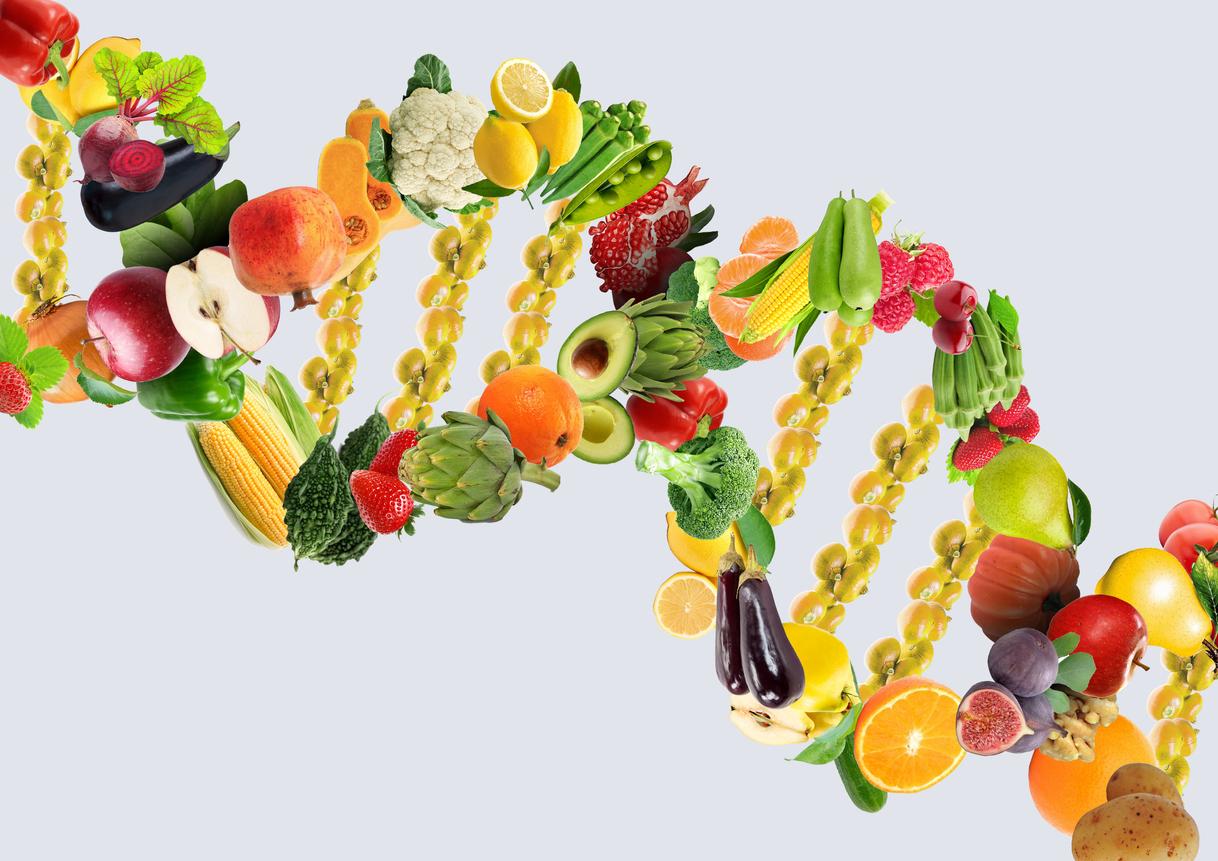
Nutrition in 2025 is more than calories or macros—it’s genetic expression. Nutrigenomics empowers individuals to select foods that positively influence their genes. Sulforaphane in broccoli, quercetin in onions, polyphenols in berries—each has gene-modulating power.
Eliminating reactive foods and introducing nutrient-dense, anti-inflammatory choices based on genetic insights transforms digestion, detoxification, and cellular repair. Food becomes a targeted prescription, not just sustenance.
4. Emotional Resilience Training: Mental Health as a Core Metric
Mental wellness is no longer secondary. In fact, it’s now a critical health metric. Emotional resilience training—via neurofeedback, cognitive-behavioral therapies, mindfulness meditation, and breathwork—is embedded into wellness plans.
High-stress tolerance, adaptive thinking, and emotional flexibility lower cortisol, stabilize immune function, and enhance heart-brain coherence. 2025 health care treats emotional mastery as preventative medicine.
5. AI-Powered Health Coaching: Precision Guidance at Your Fingertips
Artificial Intelligence is revolutionizing health guidance. AI health coaches now analyze your data—sleep, movement, bloodwork, microbiome, stress levels—and deliver real-time, adaptive protocols.
These digital assistants recommend everything from micronutrient dosages to fasting windows, based on your evolving metrics. The future of health care is proactive, responsive, and intelligent. With AI support, adherence and accountability reach unprecedented heights.
6. Digital Detox Protocols: Unplug to Rewire
Technology fatigue is a silent epidemic. In 2025, digital detoxing is a structured practice integrated into wellness routines. With rising EMF sensitivity and attention fragmentation, scheduled disconnection is no longer optional.
Protocols now include screen-free mornings, EMF-blocking wearables, nature immersion therapy, and cognitive reset retreats. The goal is to restore neurological integrity and rekindle presence. Disconnect to reconnect—it’s a modern necessity.
7. Longevity Stacking: Habits That Slow the Biological Clock
Longevity is not just about extending life—it’s about enhancing healthspan. In 2025, longevity stacking is a layered approach involving:
- Senolytics to clear damaged cells
- Intermittent fasting to activate autophagy
- Cold exposure to reduce inflammation
- Red light therapy to rejuvenate mitochondria
- NAD+ boosters to restore cellular vitality
These tools work synergistically to slow biological aging and preserve cognitive sharpness. Longevity isn’t a dream; it’s a protocol.
8. Hormone Optimization: The Core of Vitality
Hormones orchestrate everything—from metabolism and mood to libido and immune response. In 2025, hormone optimization is non-negotiable. Bioidentical hormone therapy, adrenal support, and thyroid tuning are used preventively—not just when dysfunction appears.
This strategy includes tracking hormonal biomarkers, optimizing DHEA, balancing insulin, supporting estrogen detox, and syncing hormone cycles with nutrition and activity. It’s total endocrine empowerment.
9. Regenerative Therapies: Healing from the Inside Out
Regenerative health care is redefining healing. Stem cell therapy, platelet-rich plasma (PRP), peptide injections, and exosome treatments are now widely available and used to treat chronic conditions, reverse tissue damage, and stimulate cellular renewal.
These interventions go beyond symptom management—they repair. Whether recovering from injury or seeking to enhance skin, joints, or immune function, regenerative therapies offer a fountain-of-youth effect backed by hard science.
10. Social and Spiritual Integration: The Human Element
Wellness isn’t only physical. Social connection and spiritual fulfillment are now recognized as vital health determinants. Loneliness is linked to mortality. Disconnection breeds inflammation.
In 2025, health strategies include community engagement, purpose-driven living, spiritual practices, and even rituals of gratitude. Whether through volunteering, attending spiritual circles, or cultivating deeper friendships, the aim is to nourish the soul and expand the heart.
True transformation lies in unity of body, mind, and spirit.
Conclusion
These 10 Brilliant Health Care Strategies That Will Transform Your Life in 2025 are not futuristic fiction—they are accessible, evidence-based, and revolutionary. This is not the era of generic solutions. It’s the dawn of precise, integrated, and empowered living.
From genome decoding to digital detoxing, from AI-guided routines to spiritual reconnection—health in 2025 is holistic, proactive, and deeply personalized. The path to transformation is no longer paved with confusion or deprivation. It’s built on knowledge, intuition, and self-leadership.
2025 isn’t about surviving. It’s about thriving—radiantly, resiliently, and intentionally.