

Introduction
Heath News – In a world often overwhelmed by unsettling headlines and gloomy forecasts, rays of optimism still pierce through. Health science, medical research, and public well-being initiatives continue to deliver breakthroughs that transform the human experience. Today’s narrative is not about crisis but progress. Top 5 Positive Health News Reports You Need to Know Today sheds light on some of the most uplifting, life-affirming updates from around the globe. These milestones offer reassurance, inspiration, and a profound sense of what’s possible when science, compassion, and innovation converge.
1. A Breakthrough mRNA Vaccine Shows Promise Against Multiple Cancers
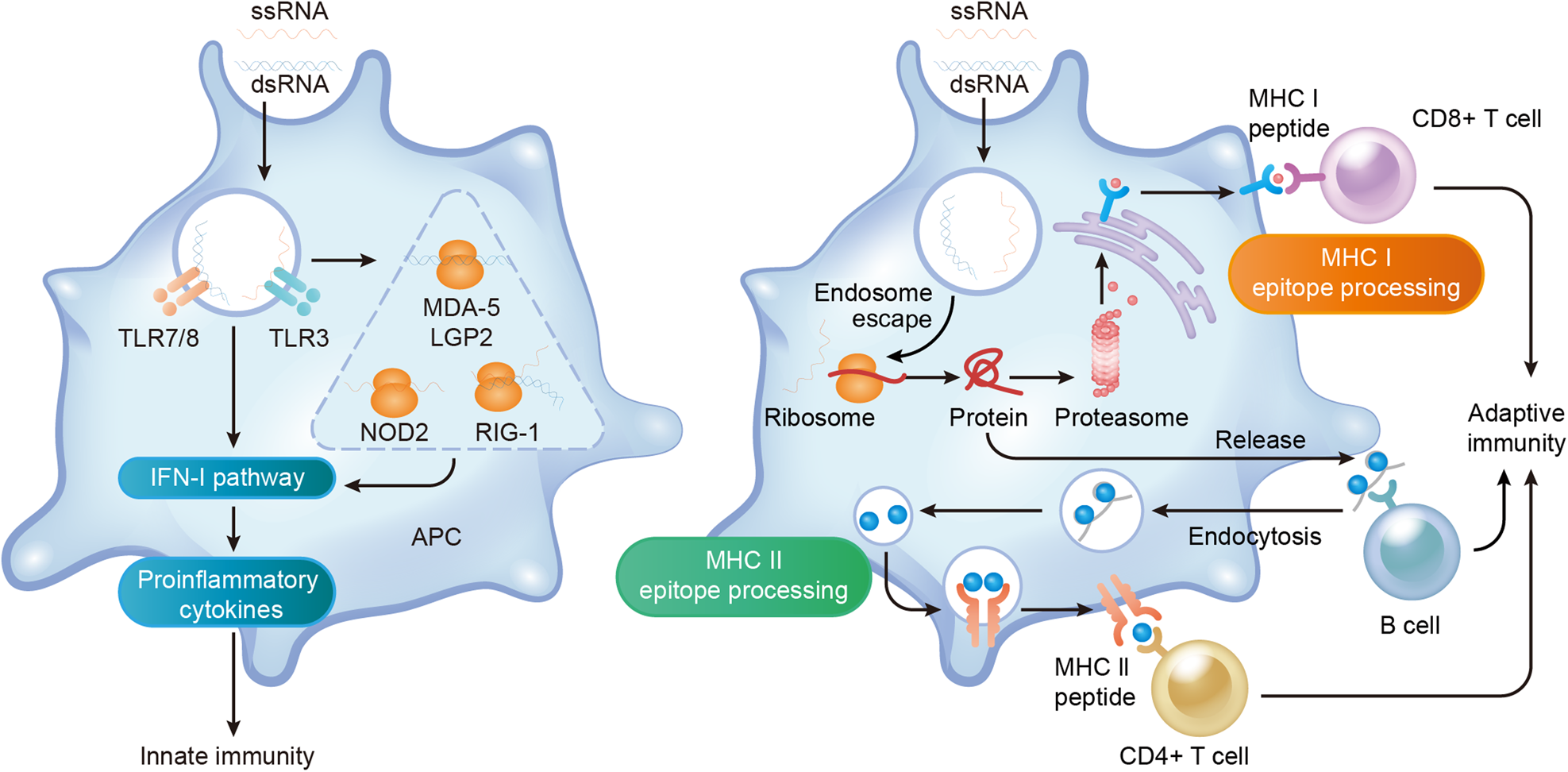
The advent of messenger RNA (mRNA) technology has unleashed a transformative wave in the world of medicine. Initially catapulted into the spotlight during the global COVID-19 pandemic, mRNA’s full potential is only now being truly grasped. In a pivotal turn of events, researchers have unveiled compelling evidence that 1. A Breakthrough mRNA Vaccine Shows Promise Against Multiple Cancers—a revelation poised to revolutionize oncology and redefine the future of cancer treatment.
What was once deemed aspirational—harnessing the body’s own immune system to precisely target malignant cells—is now within reach. This paradigm-shifting approach blends cutting-edge genomics, personalized medicine, and immunology, creating a beacon of hope for millions afflicted by cancer globally.
Understanding mRNA: The Molecular Messenger of Healing
mRNA is a genetic blueprint that instructs cells to produce specific proteins. In the context of vaccines, synthetic mRNA is engineered to mimic the structure of antigens associated with diseases. Once delivered into the body, this code trains the immune system to recognize and combat harmful agents.
The same principle is now being applied to cancer. Unlike traditional vaccines that prevent illness, these new mRNA formulations aim to treat existing tumors by teaching the immune system to identify and destroy cancerous cells that often elude detection.
By encoding proteins unique to tumor cells, mRNA cancer vaccines act like molecular “wanted posters” circulating in the body—alerting immune defenses and orchestrating a targeted attack with unprecedented precision.
A Personalized Approach to an Age-Old Enemy
Cancer has long confounded medicine due to its heterogeneity. No two tumors are exactly alike, even within the same type of cancer. This variability has made universal treatments ineffective for many patients. Enter personalized mRNA cancer vaccines.
Researchers are now leveraging patients’ own tumor genetic profiles to craft customized mRNA therapies. By analyzing the tumor’s neoantigens—mutated proteins that only exist in cancer cells—scientists can tailor a vaccine to each individual’s malignancy. The result is an immune response as unique as a fingerprint.
This methodology is already showing promise in clinical trials. In one landmark study, patients with advanced melanoma received individualized mRNA vaccines alongside immune checkpoint inhibitors. The combination therapy not only delayed disease recurrence but also demonstrated an enhanced immune memory effect, reducing relapse rates.
Such developments affirm that 1. A Breakthrough mRNA Vaccine Shows Promise Against Multiple Cancers, and they signify a seismic shift from one-size-fits-all therapies to bespoke medical solutions.
Multicancer Efficacy: Melanoma, Pancreatic, and Lung
What sets this innovation apart is its wide-ranging applicability. Unlike conventional approaches designed for one malignancy at a time, mRNA platforms are proving adaptable across several notoriously lethal cancers.
Melanoma, long the poster child for immunotherapy advancements, is once again at the forefront. Patients treated with mRNA-based therapeutic vaccines are experiencing longer periods of remission, and in some cases, complete tumor regression.
Pancreatic cancer, one of the deadliest forms due to its stealthy progression and resistance to treatment, is also responding to mRNA technology. Early-phase clinical trials have shown that vaccines targeting pancreatic tumor-specific antigens can stimulate robust T-cell activity—something previously thought difficult due to the cancer’s immunosuppressive environment.
Lung cancer, which remains the leading cause of cancer-related deaths globally, is the next major focus. Scientists are designing mRNA vaccines that induce immune responses against common oncogenic drivers like KRAS mutations, offering hope in cases where traditional therapies have failed.
Each success story validates the claim that 1. A Breakthrough mRNA Vaccine Shows Promise Against Multiple Cancers and broadens the scope for further research and application.
mRNA: A Platform of Precision and Speed
One of the most remarkable attributes of mRNA vaccine technology is its adaptability and rapid development cycle. Once a tumor’s genetic data is sequenced—something now possible in a matter of days—an mRNA vaccine can be designed and manufactured within weeks.
This agility is crucial in treating aggressive cancers that advance rapidly. Moreover, because the platform is modular, multiple antigens can be encoded in a single vaccine, allowing simultaneous targeting of different cancer cell populations within the same patient.
Biotech firms and academic institutions are investing heavily in refining delivery mechanisms, such as lipid nanoparticles, to ensure that mRNA vaccines reach their intended destinations with maximum efficacy and minimal side effects. These nanocarriers protect the fragile mRNA strands from degradation and facilitate their absorption by immune cells.
Such innovations are not just scientifically impressive—they’re life-saving. They demonstrate why the statement 1. A Breakthrough mRNA Vaccine Shows Promise Against Multiple Cancers is not hyperbole, but a factual, evidence-backed assertion.
The Immune System: A Potent Ally Awakened
Traditional cancer therapies like chemotherapy and radiation, while effective to an extent, indiscriminately attack both cancerous and healthy cells. The result? Collateral damage that often leads to debilitating side effects.
mRNA vaccines, on the other hand, stimulate the body’s own immune system to conduct a surgical strike. Cytotoxic T cells, once trained via mRNA cues, home in on cancer cells with laser precision, sparing normal tissues.
This “education” of the immune system offers long-lasting protection, akin to installing a surveillance system that can detect and neutralize threats before they manifest into full-blown tumors. The potential for long-term remission—even potential cures—is more tangible than ever before.
Moreover, the adaptability of the immune system means these vaccines can evolve with the tumor. Should a cancer mutate, new antigens can be swiftly encoded into revised mRNA formulations, ensuring the therapy remains one step ahead.
Clinical Trials and Regulatory Momentum
The clinical pipeline is bustling. Numerous Phase I and II trials are currently underway across Europe, North America, and Asia. The results, so far, are promising.
In a collaboration between Moderna and Merck, patients with high-risk melanoma receiving an mRNA vaccine showed a 44% reduction in recurrence or death compared to those receiving standard immunotherapy alone. Similar trials targeting colorectal, ovarian, and bladder cancers are producing favorable preliminary data.
Regulatory agencies such as the FDA and EMA have granted fast-track designations to several mRNA cancer vaccines, recognizing their potential to address unmet medical needs. Accelerated pathways mean these treatments could become publicly available sooner than anticipated.
Such validation from global health authorities lends credence to the growing belief that 1. A Breakthrough mRNA Vaccine Shows Promise Against Multiple Cancers and is a harbinger of a new era in therapeutic medicine.
Societal Impact and Healthcare Transformation
The implications of this breakthrough extend beyond biology. Widespread adoption of mRNA cancer vaccines could ease the economic burden of chronic cancer care, reduce hospitalizations, and improve quality of life for countless patients.
By shifting focus from reactive to proactive care—where the immune system is primed in advance—healthcare systems could evolve toward a more sustainable, preventative model. Patients will no longer be passive recipients of harsh treatments, but active participants in their healing process.
Furthermore, equitable access to this technology, especially in low-resource settings, is being prioritized. mRNA vaccines are relatively easier to produce and can be tailored at scale, making them ideal candidates for global distribution.
Challenges Ahead and Ongoing Research
Despite the optimism, challenges persist. Tumors are adept at immunoevasion, and not all patients respond uniformly. Some cancers create microenvironments that suppress immune activity, necessitating combination therapies to break resistance barriers.
Researchers are exploring synergistic regimens involving mRNA vaccines, checkpoint inhibitors, oncolytic viruses, and CAR-T therapies. The objective is to unleash a multi-pronged attack that overwhelms the cancer’s defenses.
Additionally, monitoring long-term side effects and ensuring mRNA stability in diverse populations remain areas of active investigation. But the scientific community is mobilized like never before, with robust funding and collaboration driving progress.
The dawn of mRNA-based cancer therapeutics represents one of the most profound medical advancements in modern history. With unprecedented precision, adaptability, and speed, this technology is challenging the once-unassailable nature of cancer and giving rise to new forms of hope.
1. A Breakthrough mRNA Vaccine Shows Promise Against Multiple Cancers is no longer a mere scientific headline—it’s a testament to the ingenuity of researchers, the power of personalized medicine, and the resilience of the human body when properly equipped.
As clinical results continue to pour in and regulatory milestones are achieved, the world stands at the cusp of a cancer care revolution. The battle is far from over, but for the first time in generations, the tide may be turning—fueled by strands of synthetic code that whisper instructions for healing deep within our cells.
2. Global Child Mortality Rates Drop to Historic Lows
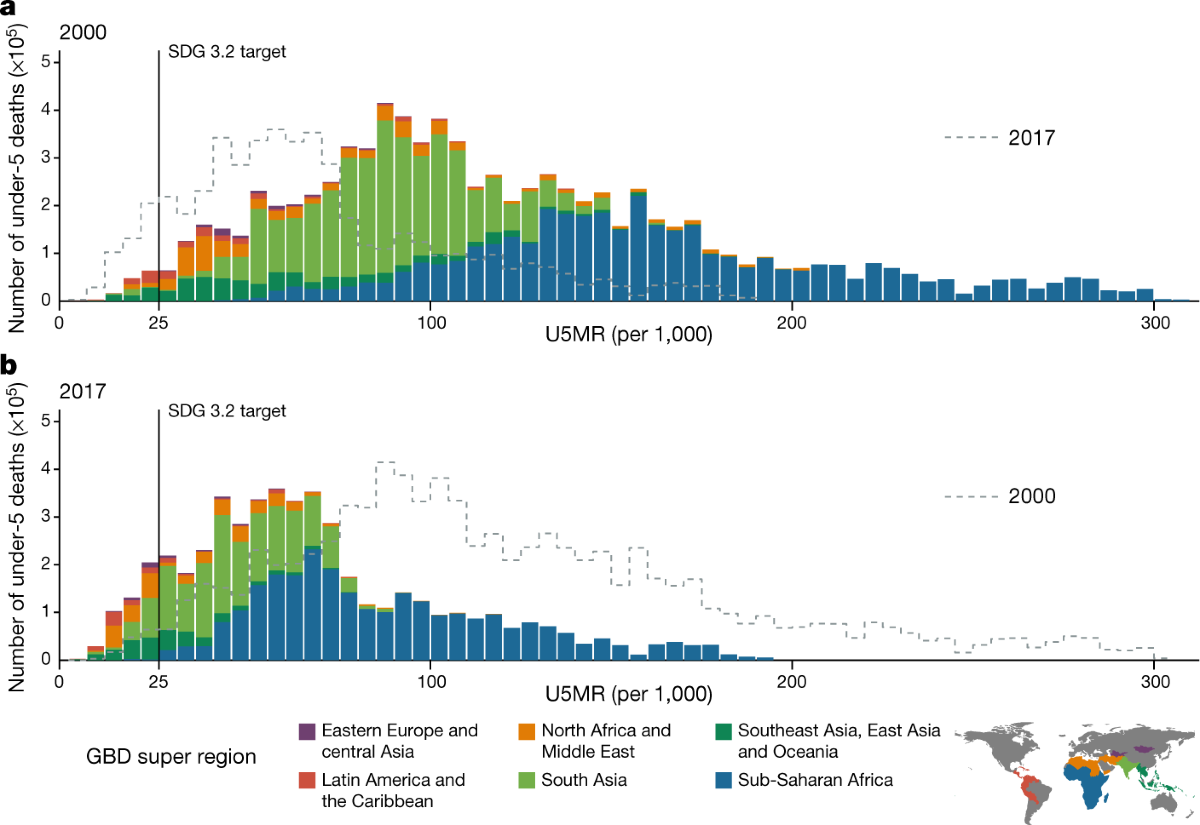
In recent years, a momentous transformation has unfolded across the globe—a phenomenon that reflects the cumulative efforts of public health interventions, medical advancements, and global collaborations. 2. Global Child Mortality Rates Drop to Historic Lows, a statement that embodies the tireless work of governments, NGOs, and health professionals, marks a pivotal point in global health. The steady decline in child mortality rates is more than just a statistic; it represents lives saved, families spared from grief, and a brighter future for millions of children worldwide.
While challenges persist, the historical lows in child mortality rates are the result of a confluence of factors that address both the medical and socio-economic determinants of child health. These factors, from improved healthcare access to better nutrition, maternal education, and vaccination programs, have created an ecosystem of protection for vulnerable populations.
A Snapshot of Global Child Mortality: The Statistics that Matter
The statistics surrounding child mortality are a testament to the progress made. According to the World Health Organization (WHO), the global under-five mortality rate has dropped significantly in the last few decades. In 1990, the global under-five mortality rate stood at 12.6 million deaths. Fast forward to 2020, and that number had fallen to just under 5 million. This represents a staggering reduction, nearly halving the number of children who perish before their fifth birthday.
While these figures are encouraging, it’s important to note that the rates vary significantly depending on geography, socio-economic conditions, and access to healthcare services. Some regions, such as sub-Saharan Africa, still bear a disproportionate burden of child mortality, though the overall trend is undeniable: 2. Global Child Mortality Rates Drop to Historic Lows, and this downward trajectory is a hopeful sign for the future.
Medical Advancements: The Engine Behind Progress
Central to the decline in child mortality rates is the evolution of medical science. The discovery of vaccines, the expansion of immunization programs, and the development of new treatment protocols for common childhood diseases have had a profound impact.
Vaccines and Immunization Programs
Vaccination programs have been one of the greatest successes in global health. Vaccines that prevent deadly diseases such as measles, polio, pneumonia, and diarrheal infections have become a cornerstone of child health strategies. In particular, the introduction of the pneumococcal vaccine, rotavirus vaccine, and Haemophilus influenza type b (Hib) vaccine has significantly reduced mortality rates associated with these diseases.
The Global Alliance for Vaccines and Immunization (GAVI) and organizations like UNICEF have played a crucial role in ensuring that vaccines reach the most vulnerable populations. The expansion of immunization coverage, even in remote areas, has been one of the most effective ways to combat preventable childhood deaths.
Treatment for Neonatal Conditions
Another area where medical advancements have made a significant difference is in neonatal care. The majority of child deaths occur in the neonatal period—defined as the first 28 days of life. In the past, neonatal conditions such as preterm birth complications, infections, and birth asphyxia were leading causes of death. However, breakthroughs in neonatal care, including better access to antenatal care, improved sanitation, and the availability of neonatal intensive care units (NICUs), have played a critical role in reducing these deaths.
Advanced techniques in respiratory support, including the use of continuous positive airway pressure (CPAP), have saved countless premature babies. Likewise, innovations in the treatment of infections, such as the widespread use of antibiotics and improved diagnostic tools, have made it possible to treat conditions that were once fatal.
Socio-Economic Factors: The Role of Education, Nutrition, and Clean Water
While medical interventions are essential, they are only part of the story. The socio-economic environment in which children are born plays a pivotal role in shaping their chances of survival. Over the past few decades, there has been a concerted effort to address the root causes of child mortality, many of which are linked to poverty, malnutrition, and lack of access to clean water.
Education and Empowerment of Mothers
One of the most significant factors influencing child mortality is the education and empowerment of mothers. Studies have consistently shown that educated mothers are more likely to seek medical care during pregnancy, have their children vaccinated, and ensure that their children receive adequate nutrition. As maternal education levels have risen globally, the benefits have extended to child survival rates.
In regions where maternal literacy rates have improved, there has been a marked decline in child mortality. Education not only enhances the understanding of healthcare practices but also empowers women to make informed decisions about their children’s well-being, further reducing the risk of preventable deaths.
Nutrition and Malnutrition
Good nutrition is vital to a child’s growth and survival. Malnutrition remains one of the leading contributors to child mortality, particularly in low-income countries. Inadequate access to nutritious food during pregnancy and early childhood can compromise a child’s immune system, making them more susceptible to infections and diseases.
The global emphasis on improving maternal and child nutrition has paid dividends. Initiatives such as the promotion of exclusive breastfeeding for the first six months of life, micronutrient supplementation, and the fortification of staple foods with essential vitamins and minerals have all contributed to reducing the impact of malnutrition on child mortality. As global food security improves and nutritional education spreads, child mortality rates continue to decline.
Access to Clean Water and Sanitation
Access to clean water and sanitation is another crucial determinant of child health. Diarrheal diseases, which are often caused by contaminated water, remain one of the leading causes of death among young children, particularly in developing nations. However, global efforts to improve access to clean water, sanitation facilities, and hygiene education have had a profound effect on reducing childhood deaths from these diseases.
In rural areas and developing nations, water purification programs, better sanitation infrastructure, and hygiene education campaigns have dramatically reduced the incidence of waterborne illnesses. Simple interventions such as the promotion of handwashing and the use of oral rehydration therapy (ORT) have proven to be highly effective in saving young lives.
Global Collaborations and Policy Initiatives
International collaboration and policy initiatives have played an indispensable role in driving down child mortality rates. Organizations such as the United Nations, WHO, UNICEF, and GAVI have worked tirelessly to advocate for global child health and bring attention to the disparities in access to healthcare.
The Sustainable Development Goals (SDGs)
The United Nations’ Sustainable Development Goal 3 (SDG 3) seeks to ensure healthy lives and promote well-being for all at all ages. A key target under SDG 3 is to end preventable deaths of newborns and children under the age of 5 by 2030. This ambitious goal has provided the global health community with a framework to accelerate progress.
Governments and international organizations have mobilized resources and focused efforts on the most at-risk populations. Funding initiatives such as the Global Fund and the World Bank’s Health Financing for Universal Health Coverage initiative have been essential in ensuring that interventions reach the most vulnerable communities.
National Health Systems Strengthening
While international organizations have played a key role, strengthening national health systems is equally crucial. Countries around the world have made substantial investments in their healthcare infrastructure, focusing on improving maternal and child health services. From expanding access to vaccines and medical care to enhancing the capacity of health workers, these efforts have had a profound impact on reducing child mortality rates.
In many low- and middle-income countries, national immunization programs, health insurance schemes, and maternal health services have been expanded, allowing children to survive and thrive in environments where once, they would not have.
The Road Ahead: Challenges and Opportunities
While the drop in global child mortality rates is cause for celebration, challenges remain. In some regions, particularly sub-Saharan Africa, child mortality rates are still unacceptably high. These disparities are often due to conflicts, political instability, and inadequate healthcare infrastructure, all of which impede progress.
There is also the challenge of emerging diseases and the rise of antimicrobial resistance (AMR), which threatens to undo some of the gains made in child health. However, with continued investment in healthcare, education, and global collaboration, these hurdles can be overcome.
The ongoing fight to reduce child mortality is a reminder that healthcare is a universal right, not a privilege. The progress made to date is a testament to the power of collective action, and the future holds the promise of even greater achievements.
The dramatic decline in global child mortality rates is a monumental achievement, illustrating the transformative power of medical advancements, socio-economic improvements, and international cooperation. As 2. Global Child Mortality Rates Drop to Historic Lows, the world stands on the precipice of a new era where fewer children will die from preventable causes, and every child will have the opportunity to grow, thrive, and contribute to society. The path forward requires sustained commitment and investment, but the progress made so far offers a profound sense of hope for the future.
3. Mediterranean Diet Proven to Enhance Brain Health in Aging Adults

While the Mediterranean diet has long been celebrated for its cardiovascular benefits, a new longitudinal study reveals even more profound implications for cognitive longevity. Conducted over a span of 20 years across five European countries, the research tracked over 10,000 adults aged 60 and above.
The findings are compelling: participants who consistently adhered to the Mediterranean diet—rich in olive oil, legumes, whole grains, fruits, vegetables, and moderate wine consumption—had a 30% lower risk of developing Alzheimer’s disease and other forms of dementia.
Neuroprotective effects were especially pronounced among those who also incorporated regular physical activity and reduced their intake of processed foods and saturated fats. This lifestyle, blending nourishment and moderation, offers a powerful strategy for aging gracefully.
With mental deterioration a growing concern in aging populations worldwide, this revelation is a beacon of hope. It deserves its place among the Top 5 Positive Health News Reports You Need to Know Today.
4. AI Technology Accelerates Rare Disease Diagnosis
Diagnosing rare diseases has traditionally been a long, frustrating journey for patients, often referred to as the “diagnostic odyssey.” But recent advancements in artificial intelligence are shortening this path with astonishing precision and speed.
One such system, developed by a consortium of European tech companies and medical institutions, utilizes deep-learning algorithms trained on massive genomic and clinical datasets. This AI platform can now identify over 6,000 rare diseases based on patient symptoms, lab results, and genetic markers—cutting the diagnostic process from years to mere weeks.
Beyond diagnostics, the AI model also proposes personalized treatment plans and connects patients with specialists and clinical trials across the globe. This revolution in rare disease care is transformative, empowering both clinicians and patients with tools that were once the stuff of science fiction.
When technology meets empathy and human need, the result is groundbreaking. This leap forward is undeniably one of the Top 5 Positive Health News Reports You Need to Know Today.
5. Urban Forest Programs Linked to Lower Rates of Depression and Anxiety
A refreshing turn in mental health discourse is the recognition of environmental exposure as a form of therapy. Recent studies confirm that increasing urban green spaces through tree-planting programs and nature-based urban design significantly reduces rates of anxiety, depression, and stress-related disorders.
A multi-city study across the United States, Germany, and Japan monitored the psychological effects of proximity to tree canopies and green corridors. Residents in neighborhoods with high vegetation density reported 20% fewer cases of clinical depression and reduced cortisol levels, the stress hormone, compared to those in concrete-dominated zones.
Urban forest initiatives—once seen as purely aesthetic or ecological—are now being embraced as public health imperatives. These programs not only combat air pollution and heat islands but also nurture mental well-being in densely populated environments.
The intersection of environmental planning and mental health care is a beautiful development, one that deserves its spotlight in the Top 5 Positive Health News Reports You Need to Know Today.
Bonus Insight: Public Health Literacy is on the Rise
Although not one of the top five, an honorable mention must go to the notable rise in public health literacy. Across the globe, individuals are becoming more informed about vaccines, nutrition, mental health, and preventive care. This shift is largely fueled by digital platforms, virtual health consultations, and educational campaigns led by non-governmental organizations.
This awakening of public consciousness is essential for fostering healthier societies. Informed citizens make healthier decisions, advocate for better policies, and create a ripple effect that benefits entire communities.
Conclusion
Good news is not a rarity; it simply demands amplification. These Top 5 Positive Health News Reports You Need to Know Today illustrate a global movement toward healing, innovation, and resilience. From the frontiers of medical technology to the grassroots efforts in community health, these stories paint a compelling picture of progress.
While challenges persist, the arc of global health continues to bend toward improvement, equity, and hope. In a landscape too often clouded by despair, such stories are a reminder that humanity is capable of overcoming, adapting, and advancing.
Celebrate these milestones. Share them. Build upon them. The future of health is not just a matter of treatment—it’s a testament to human ingenuity and collective resolve.