Patients taking GLP-1 receptor agonists for weight management face a higher risk of hypotensive events compared to those not on the medication, according to a study presented at ENDO 2026. The findings, based on data from 54,682 patients, suggest that hypotension is more common in older adults and individuals with type 2 diabetes. Researchers analyzed electronic health records to track blood pressure changes over time. The study specifically focused on patients receiving at least two antihypertensive medications, highlighting the potential compounding effects of concurrent drug therapies on blood pressure regulation.
Related: Demystifying Myths About Plastic Surgery
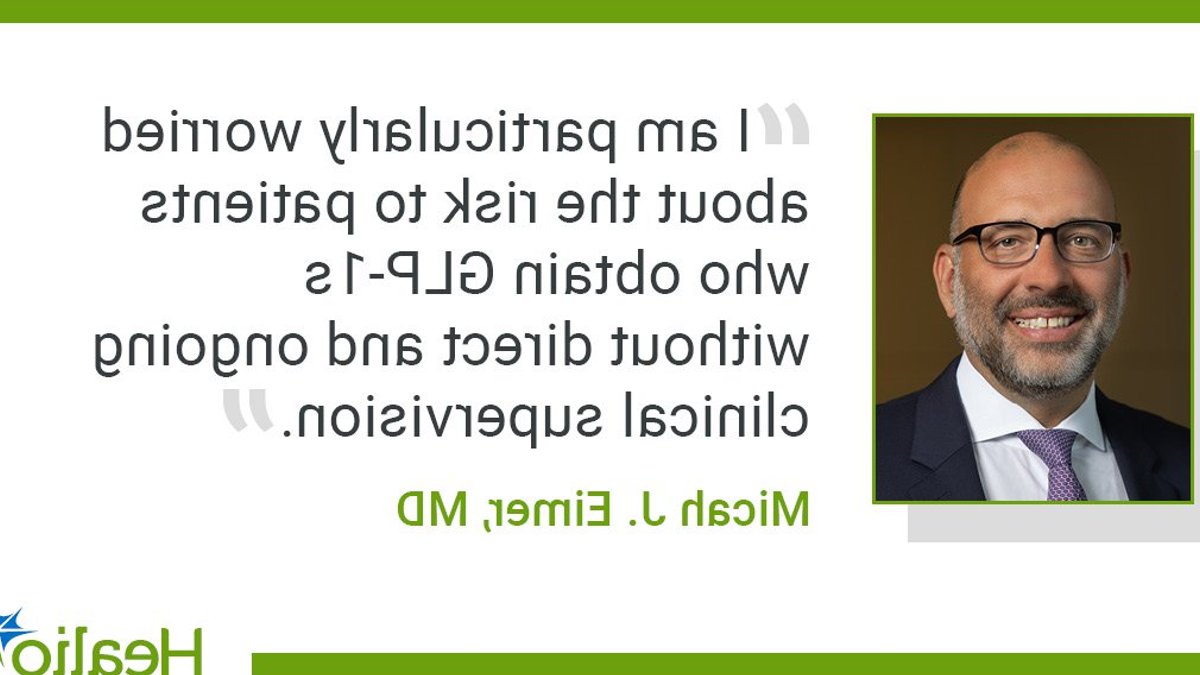
Micah J. Eimer, associate chief medical officer at Northwestern Medicine, noted that clinicians had observed troubling patterns in patients on GLP-1s. “Multiple patients reported lightheadedness, dizziness, and fainting,” he said. “Low blood pressure during exams confirmed our concerns.” The study found that in patients taking antihypertensive medications, those on a GLP-1 had higher rates of hypotension. Hypotension was most common in patients with diabetes and in those aged at least 65 years. These findings confirm clinical suspicions about the association between GLP-1 receptor agonists and increased hypotensive risk.
The risk was highest among patients aged 65 or older and those with diabetes. Eimer emphasized that weight loss alone does not fully explain the findings. Other factors, including direct blood pressure-lowering effects of GLP-1s, interactions with antihypertensive drugs, and changes in sympathetic nervous system activity, may contribute. “These medications are effective for weight loss, but older prescriptions may no longer be safe,” he added. The study’s inclusion of patients on specific GLP-1 agonists—liraglutide, semaglutide—provides a clearer picture of the mechanisms at play, as these agents may have varying pharmacological profiles influencing cardiovascular responses.
Related: How to Get a Medical Marijuanas Card in Kentucky Online
Weight changes did not alter the link between GLP-1 use and hypotension, suggesting other mechanisms are at play. Eimer warned that patients using GLP-1s without clinical oversight face particular risks. The study’s analysis reveals a proactive approach by clinicians to mitigate hypotensive complications, yet shows the need for tailored management strategies in high-risk populations.
Related: Exploring the Various Specialties of a Med Spa Practitioner
“Blood pressure must be monitored at the start of therapy and during dose increases,” Eimer said. “Patients should recognize symptoms of low blood pressure and report them promptly.” The study highlights a need for further research on risk factors, medication interactions, and long-term effects of GLP-1s on cardiovascular health. Eimer acknowledged the medications’ benefits but stressed the importance of careful monitoring. “The data confirm what we’ve seen in clinics,” he said. “This is a cautionary note for providers and patients alike.”


